Niue's Crane
A Limestone Rock Island in the Pacific

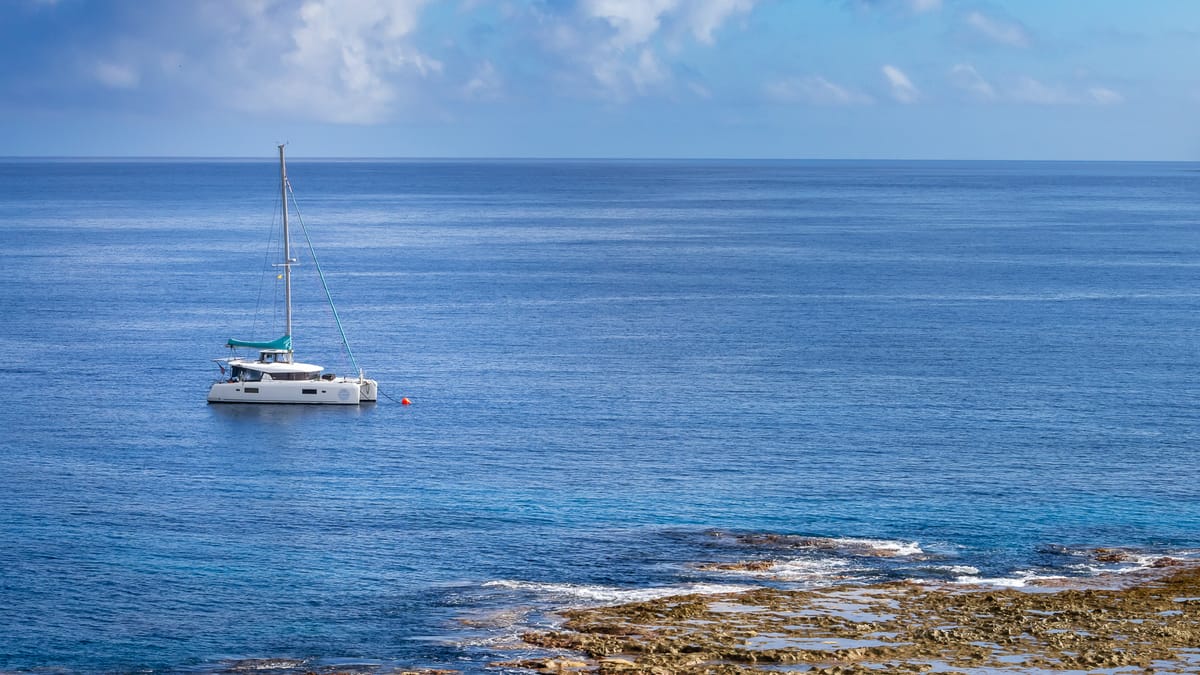
From miles away, it was massive and completely flat. It looked like another low-lying South Pacific atoll. The closer we got, the flatness remained, but the island rose a hundred feet into the sky, like a perfectly cut block of stone emerging from the sea. We had reached the island of Niue.
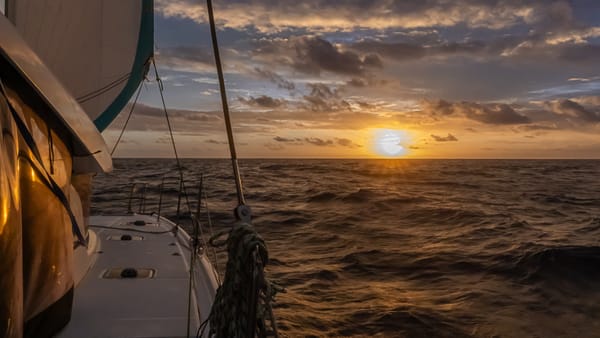
After a nine-day passage from French Polynesia, we sailed south along Niue’s west coast, protected from the trades by the limestone cliffs that plunged vertically into the blue: a curtain wall of coral and rock that once protected the island from the empires that colonized most other atolls across the Pacific. Centuries later, it still serves as a deterrent. Only a few vessels stop on the island each year while crossing the Pacific. There were no safe harbours, no bays, breakwalls, outer reefs, or anything else to protect the vessels from the Pacific swell. Just mooring balls on an exposed field below the town of Alofi.
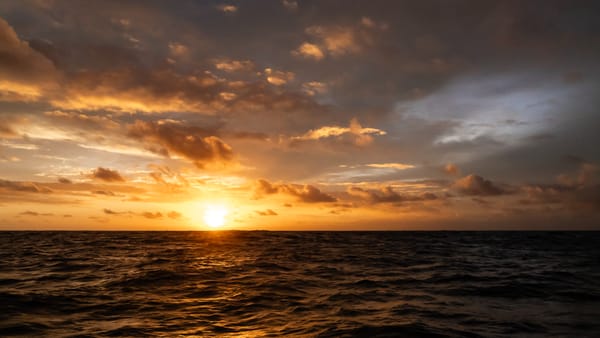
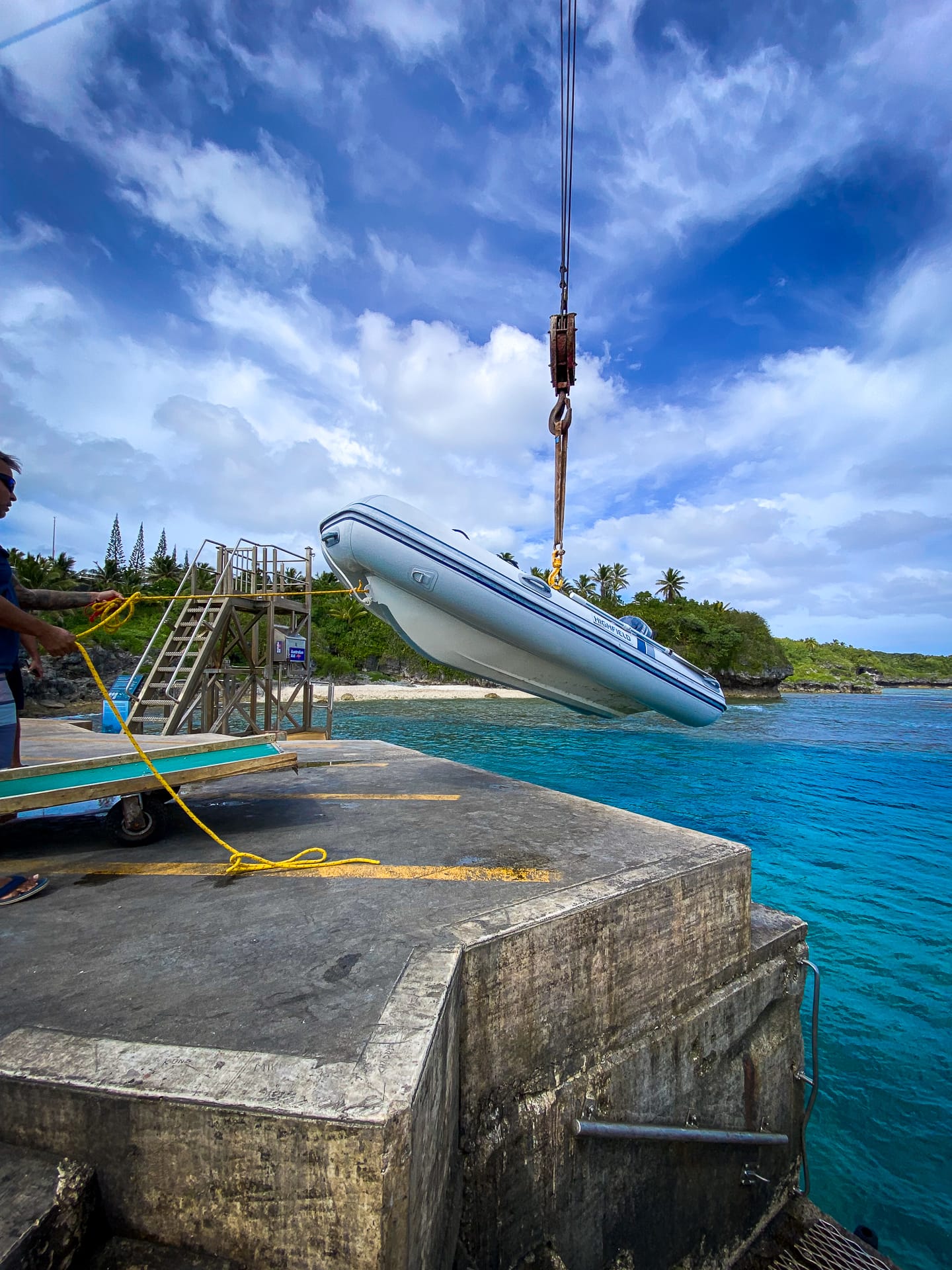
“Niue Radio, Niue Radio, Niue Radio. This is sailing vessel Blue Buddha,” we called on Channel 16 and asked permission to stop. Before sunset, we tied to a mooring buoy next to a couple of sailboats and stared at the town above the cliff. A steep road led to the only dock. It was not a traditional pier supported by columns that let the ocean move freely below it. It was a solid block of concrete rising vertically twenty feet above the crashing swell. No boats were tied to it; instead, they were lying above on the dock, like someone had plucked them from the ocean and put them safely on shore. And then we saw it. A dinghy from another boat was floating in the air, being lifted from the water by a crane. It was the only path from the sea to the land above.
The next morning, we anxiously motored our tiny dinghy, Mr. Peanut, towards the imposing concrete dock. We had studied the self-serve crane maneuver with binoculars, and we hoped to be ready. I positioned the dinghy against the concrete wall so my wife could reach the steps carved into the structure. With a single hop, she was on and heading up to the base of the crane to reach the controls. I hooked the dinghy onto the one-inch thick cable. She pressed up, and the dinghy rose from the ocean. For the first time in his brief life, Mr. Peanut was soaring through the air, flying without wings.
Before long, the dinghy was resting on the concrete floor. The customs officer greeted us with a smile. We were officially on the rock island of the Pacific. A crowd was gathering on the dock. Not to welcome us, but to watch the spectacle behind the sailboats. A whale surged from the water, like the bow of a boat refusing to sink, and then crashed back into the deep.
- Thank you for reading. I’d love to hear your thoughts in the comments section below. If you enjoy this story, click “like” to help more readers discover it.
- This micro story is part of Harbour Stories, a collection of non-fiction accounts of the places and people I encounter at ports
About Me
I’m Nestor Lopez-Duran, writing under the pen name N.L. Duran. I am a former psychology professor now sailing around the world with my wife on our sailboat named Blue Buddha. The stories published in Currents & Wind are inspired by the people, places, creatures, and events I encounter at sea.